Why Your UK Music Venue Needs a Central Source of Truth
Running a music venue in the UK is complex. Between booking artists, generating venue hires, selling tickets, coordinating staff, advancing shows, maintaining equipment, and tracking finances, information quickly becomes scattered across emails, spreadsheets, notebooks, and *literally* people's desks. This approach creates inefficiencies, errors, and missed opportunities - whether you're operating an intimate 100-cap club or a 10,000-seat arena - and especially as you get busier!
The Problem
Most venues operate with information silos. The production manager has a dropbox folder for tech specs. The booking team has everything on email and messaging. The bar manager has their staff availability scribbled on paper. The finance team has yet another system for tracking revenue. When someone needs to answer a simple question like "Can we fit a second show on Saturday?". It requires hunting through multiple sources, often with conflicting or outdated information.
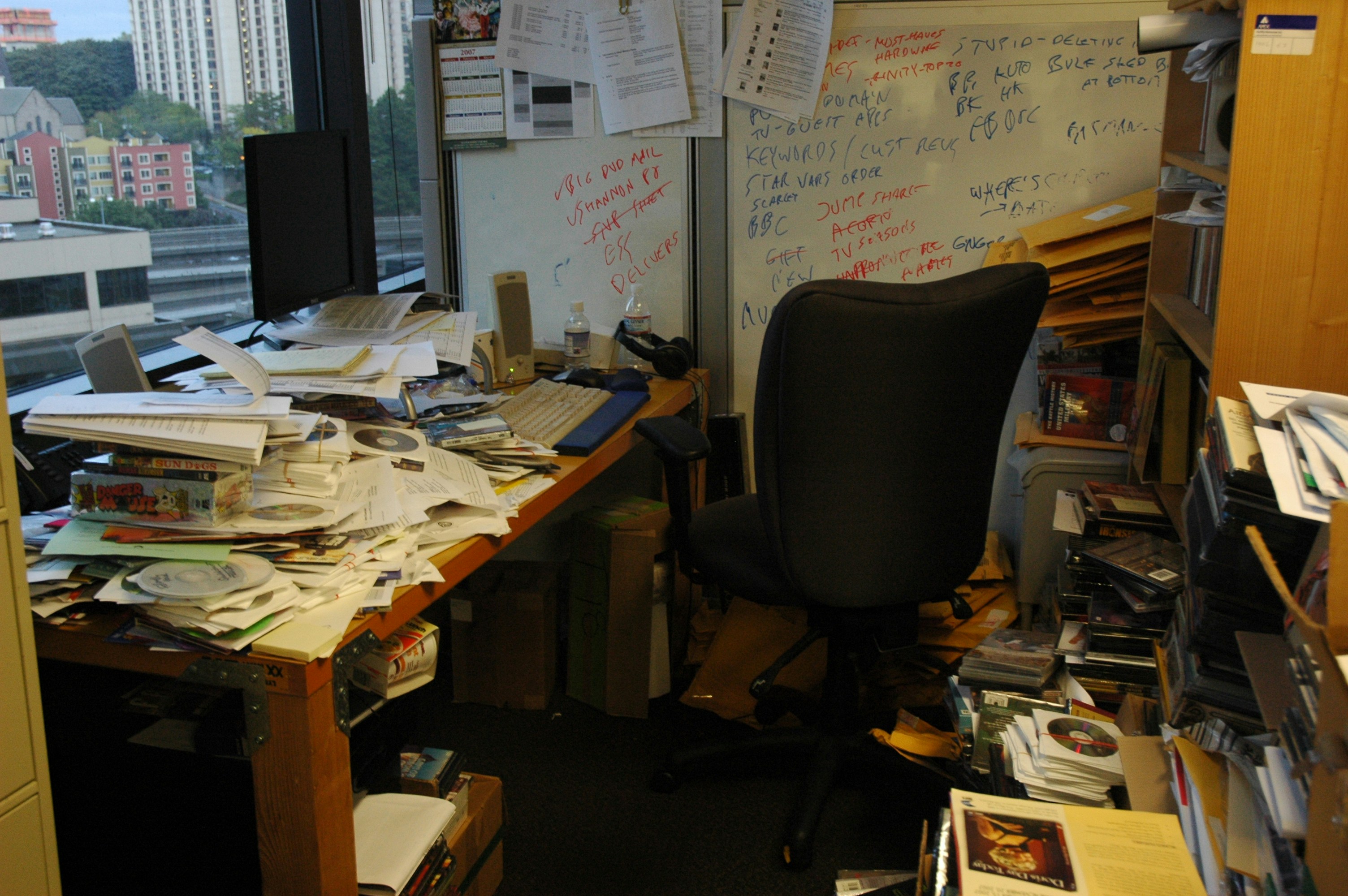
This problem hits smaller venues particularly hard. Without dedicated teams or resources for multiple specialised systems, independent venues often rely on personal knowledge and manual coordination. But as venues scale up, the problem doesn't disappear—it multiplies. Larger venues have more departments, more shows, more stakeholders, and therefore more opportunities for miscommunication.
But if you’re reading this, you likely already know this and experience it everyday.
So the big question is: How do I as a Venue Manager solve the scattered information problem?
The Solution
The answer is to create a central source of truth. This changes everything. It's a single, authoritative system where all critical venue information lives, accessible to everyone who needs it, updated in real-time, and structured to support better decision-making.
This could be a bespoke system that requires extensive maintenance, an off-the-shelf solution for projects that’s often a square peg in a round hole, or even better, an industry-specific tool, designed EXACTLY for this use case.
The Benefits (Across All Venue Sizes)
Operational Efficiency
A central source of truth eliminates duplicate data entry. Production details entered once become immediately available to technical staff, hospitality teams, and booking teams. Show information flows automatically to everyone who needs it, reducing the endless back-and-forth of "What time is load-in?" or "Did we confirm the lighting requirements?"
For small venues running lean teams, this means one person can manage what previously required constant coordination between multiple people. For large venues, it means departments can move faster without waiting for information to trickle through organisational hierarchies.
Reduced Errors and Conflicts
When everyone works from the same information, mistakes plummet. Double-bookings become impossible. Technical specifications don't get lost in translation. Contract terms remain consistent across all departments. Budget holders see accurate, real-time info instead of outdated snapshots.
The cost of errors scales with venue size. A small club might lose hundreds of pounds from a booking mishap; an arena could lose tens of thousands. A central source of truth catches conflicts before they become expensive problems.
Better Decision-Making
Venue managers need visibility into their operations to make smart decisions. With centralised data, you can instantly see your resource across dates, identify trends and spot which types of events perform best.
This intelligence helps small venues punch above their weight, identifying opportunities to optimise their programme or adjust pricing. For larger venues, it enables detailed analysis of everything from staffing efficiency to F&B performance by show type.

Improved Artist and Agent Relationships
Professional operations build reputation. When you can instantly provide accurate technical specifications, confirm availability, and deliver detailed advances, agents and artists notice. A central system ensures consistent, professional communication throughout the booking and production process.
Small venues competing for emerging talent can demonstrate maturity that wins bookings. Large venues maintaining relationships with major touring acts can deliver the seamless, professional experience those acts expect.
Scalability and Growth
Perhaps most importantly, a central source of truth grows with you. The system that helps a 300-capacity venue manage ten shows per month can evolve to support a 3,000-capacity venue running fifty events or multiple venues and teams across the UK. The foundational processes remain consistent even as complexity increases.
Venues planning expansion don't need to completely overhaul their operations. The same core system that tracks one stage can accommodate multiple rooms, venues, or festivals. Staff transitions become smoother because knowledge lives in the system rather than in individual people's heads.
The TLDR
The venues that thrive in 2026 treat information as strategic infrastructure. Whether you're running a beloved neighborhood venue or a major concert hall, operating from a central source of truth transforms how you work. It frees up time previously spent chasing information, reduces costly mistakes, enables smarter decisions, and positions your venue to grow sustainably.
The question isn't whether your venue needs better information management, it's how much you're currently losing by not having it.