The Key Differences between Receiving Houses and In-House Promoters
When navigating the live event industry, one of the biggest distinctions you'll encounter is how a venue operates and handles its diary. Two key models dictate the flow of live event production: Receiving Houses and In-House Promoters. While they both stage incredible live experiences, they handle booking, production and marketing in fundamentally different ways.
Here is a breakdown of what sets them apart.
What is a Receiving House?
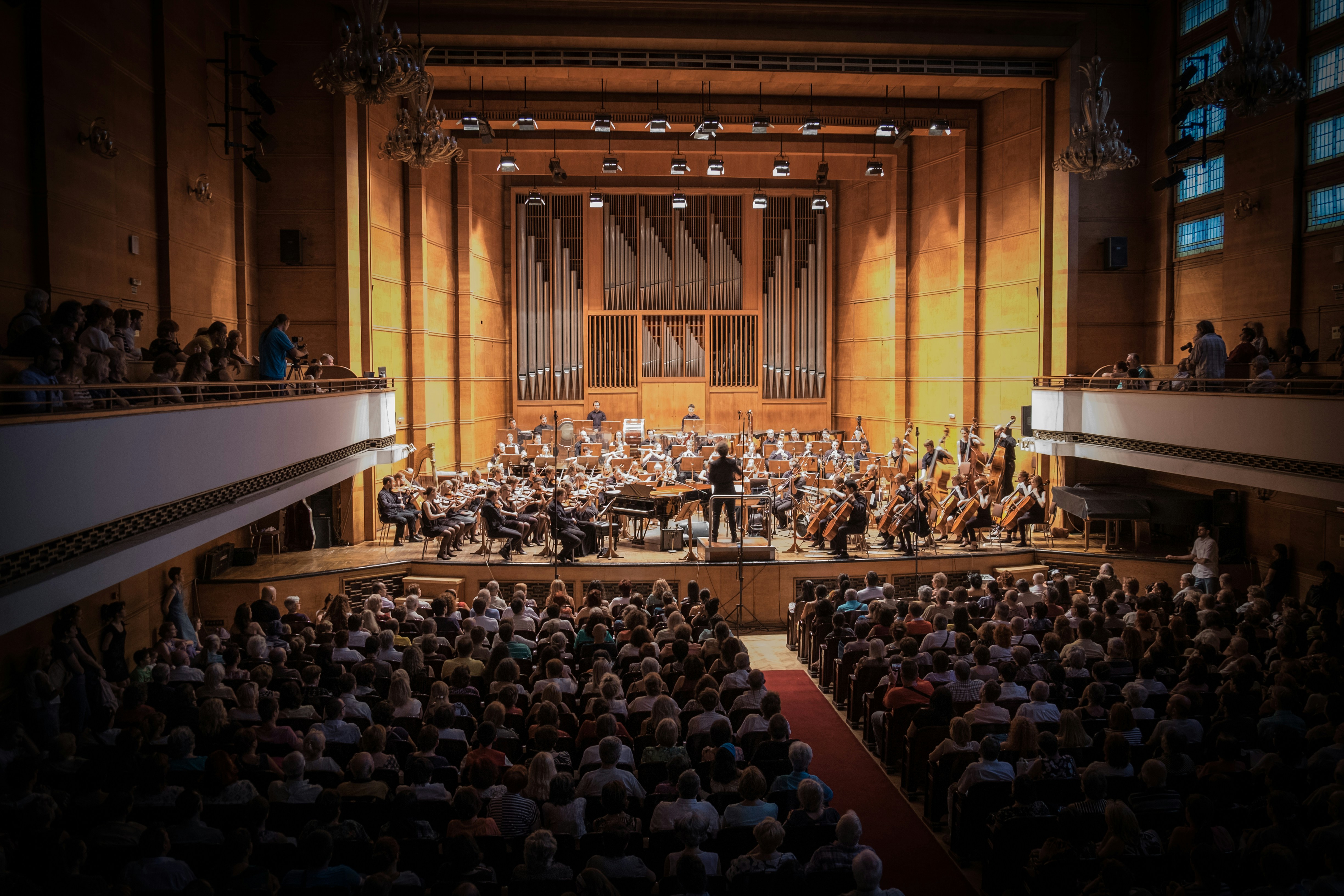
A receiving house is a theatre, concert hall, or event venue that primarily hosts touring productions, concerts, and external events rather than programming its own shows.
Think of a receiving house as a well-equipped host. The venue provides the physical space, essential infrastructure (like flexible seating or stage setups), and front-of-house staff. However, the core content - the talent and the overall production - is brought in. External promoters, touring theatre companies, or independent organisers "hire" the space, bringing their own productions, running orders, and talent along with them.
Key Characteristics of a Receiving House:
Focus on Hosting: The venue's primary business model revolves around accommodating external productions rather than originating them internally.
Lower Financial Risk: Because the external promoter usually takes on the financial risk of marketing and ticket sales, the venue primarily relies on hire charges, bar revenue, and ticketing service charges.
Fast Turnarounds: Venues must manage fast-paced scheduling with frequent get-ins, load-outs, and changeovers - often on a daily or weekly basis.
What is In-House Promotion?
On the other side of the spectrum is in-house promotion. In live music venues, this refers to the practice of a venue directly booking, financing, marketing, and staging an event using its own internal resources and staff.
Instead of just renting out the room for someone else to use, an in-house promoter acts as the visionary and financial backer of the event. The venue’s team takes complete ownership of the event’s success, handling everything from negotiating the talent fees to running the social media marketing campaigns to get people through the doors.
Key Characteristics of In-House Promotion:
Total Curation and Control: The venue’s internal team meticulously curates the calendar, actively seeking out and booking talent that fits the venue's specific brand.
Higher Risk, Higher Reward: The venue fronts the money for the artist guarantees, infrastructure, and advertising. If the show sells out, the venue reaps the rewards; if ticket sales are low, the venue absorbs the financial hit.
Brand Building: Venues that heavily rely on in-house promotion often become cultural tastemakers in their cities. Audiences begin to trust the venue's taste, often buying tickets based on the venue's reputation alone.
Note: It is common for Venues with in-house promoters to also take bookings from external promoters and do “co-promotions”, to ensure the diary is packed with great shows.

The Verdict: Two Sides of the Same Coin
Neither model is inherently better - they simply serve different purposes in the live event ecosystem. Receiving houses are essential hubs for national tours, providing the crucial infrastructure needed to house large-scale, pre-packaged shows. Meanwhile, venues operating as in-house promoters are often the beating heart of local music and arts scenes, taking calculated risks to bring curated, brand-defining experiences to their communities.
Ultimately, many modern venues operate as hybrids, acting as receiving houses for large external tours on the weekends while promoting their own local showcases during the week to keep their calendars full!